
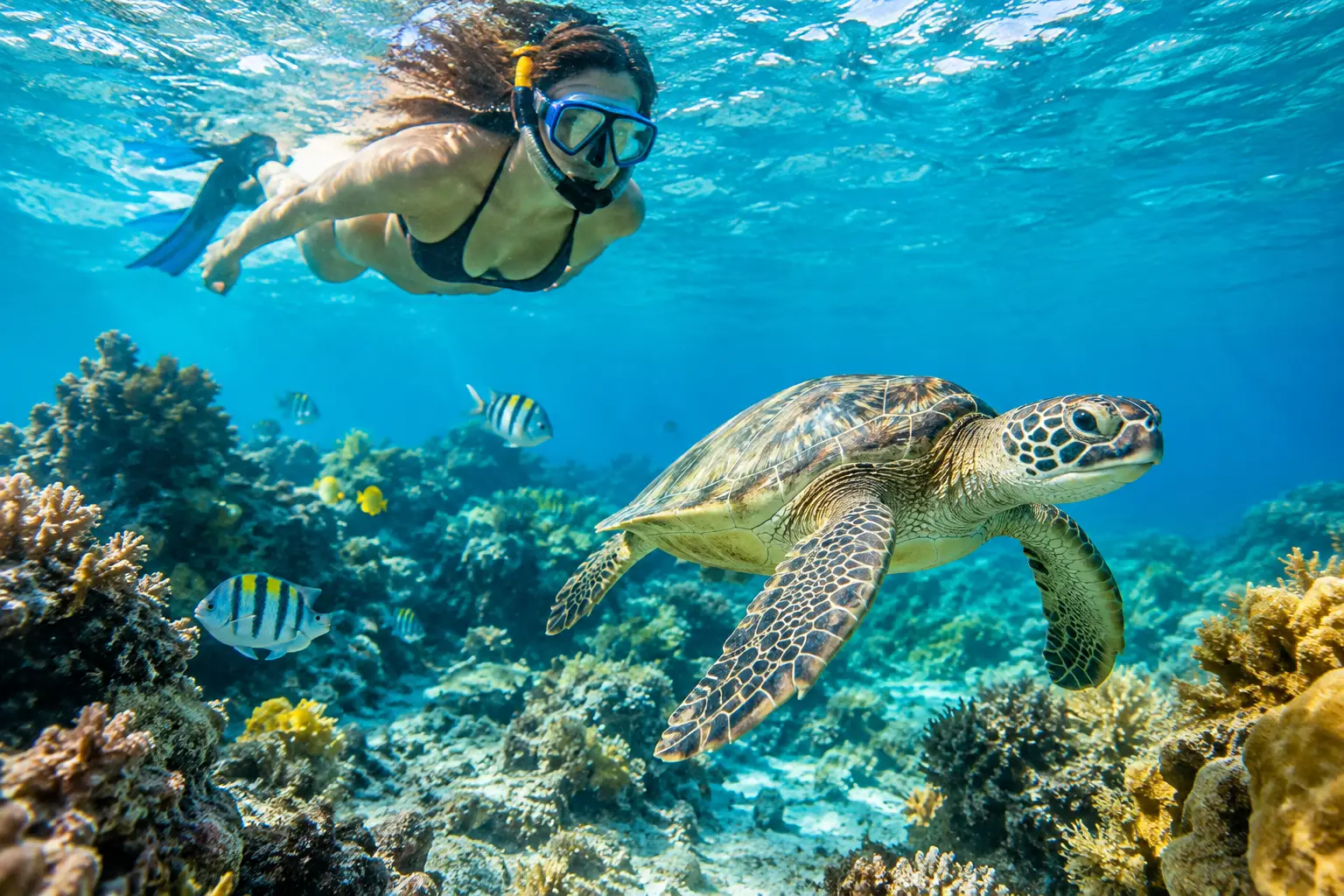
The best answer to how to enjoy reef snorkeling is not swimming farther or chasing every fish you see. It is getting comfortable in the water, choosing a trip that fits your port schedule, and giving yourself time to notice what is happening below the surface. Cozumel’s clear Caribbean water and colorful reef systems can make a short shore day feel like a genuine marine adventure – especially when you arrive prepared.
For cruise guests, the goal is simple: enjoy amazing coral reefs without spending the morning worrying about gear, transportation, or getting back to the pier on time. A well-planned snorkeling excursion makes that possible, whether you are a first-timer, traveling with kids, or looking for a relaxed beach-and-reef day.
Choose the Right Reef Snorkeling Experience
Not every snorkeling outing feels the same, and the best choice depends on your comfort level, group size, and available time ashore. A boat snorkeling trip usually offers access to clearer water and more active reef areas than you may find directly off a crowded beach. It is a strong choice for travelers who want to see schools of tropical fish, coral formations, sea fans, and the occasional ray or turtle.
Beach snorkeling can be the better fit if your group includes young children, nervous swimmers, or anyone who prefers an easy pace. Look for a beach location with a protected swimming area, equipment available on site, and enough time to relax between swims. The trade-off is that shore-entry visibility and reef life can vary with weather, wind, and foot traffic.
A small-group boat trip often gives guests more room to spread out, more personal attention from the crew, and a less rushed experience at each stop. Private charters can be especially worthwhile for families and friend groups who want to select their pace, combine snorkeling with beach time, or avoid sharing the day with a large crowd.
For a cruise stop, confirm the meeting instructions, total excursion length, and expected return time before booking. The lowest price is not always the best value if the schedule leaves little room for your ship’s all-aboard time. Choose a port-compatible option with clear timing and professional support.
Get Comfortable Before You Reach the Reef
You do not need to be an expert swimmer to have a great snorkeling day, but you do need to be calm in the water. Before heading away from shore, take a few minutes to practice breathing through the snorkel with your face in the water. Hold onto a ladder, flotation device, or shallow-water line if one is available. Once your breathing feels steady, the experience becomes much more enjoyable.
A properly fitted mask matters more than most people expect. Test it before the boat leaves by placing it gently against your face and inhaling through your nose. It should stay in place without being painfully tight. Position the strap high on the back of your head rather than low on your neck, where it can slip.
If water enters the mask, do not panic. Lift your head, adjust the seal, and ask the guide for help if needed. Most crews can show you a simple clearing technique, but there is no prize for figuring it out alone. First-time snorkelers should also use a flotation vest or buoyancy aid. It conserves energy and lets you float quietly while watching the reef below.
Fins are useful for moving efficiently, but they are not for fast, splashy kicking. Use slow kicks from your hips with your legs mostly straight. That motion saves energy, keeps you in control, and avoids stirring up sand that can cloud the water for everyone.
How to Enjoy Reef Snorkeling Without Rushing It
The reef rewards patience. Instead of scanning wildly in every direction, float for a moment and let your eyes adjust. Start by looking at the coral structures themselves. You may spot tiny fish slipping through crevices, bright parrotfish grazing nearby, or a larger fish hovering beneath an overhang.
Move slowly and keep your body horizontal at the surface. Quick vertical movements and constant splashing can scare fish away. A relaxed float also helps you use less air and feel less tired. If your guide points out something special, give the group space and take turns looking rather than crowding the same spot.
Visibility changes throughout the day. Sunlight can make colors pop, while cloud cover may soften the view. Water conditions can also shift with wind and currents. A good crew will choose reef stops based on the day’s conditions, not just follow the same route every time. That flexibility can make the difference between an average swim and an unforgettable one.
If you are prone to motion sickness, prepare before boarding. Eat a light meal, stay hydrated, and consider your preferred motion-sickness remedy well before the boat begins moving. Sitting where you can see the horizon can help during the ride. Once you are in the water, many guests feel better quickly.
Let the Guide Improve Your View
A knowledgeable snorkel guide does more than keep everyone together. They can point out creatures you might otherwise miss, explain where to look for marine life, and help guests choose an easier entry point. Listen to the safety briefing, including instructions about currents, boat traffic, and the signal for returning to the vessel.
Ask questions before getting in the water. Find out how long you will snorkel, where the group will regroup, and what to do if you need assistance. Clear answers make it easier to relax once you are floating above the reef.
Protect the Reef While You Enjoy It
The most beautiful reef is one that visitors treat with care. Coral is alive, and even a light touch from a hand, fin, or knee can cause damage. Keep a respectful distance, even when the water is shallow. If you need to adjust your mask or rest, use a flotation device rather than standing on the reef.
Do not feed fish or chase marine animals for a closer photo. It changes their natural behavior and can create stress for the animals. A better picture usually comes from being still, keeping your hands close to your body, and waiting for the fish to come into view.
Sun protection requires a little planning, too. Covering up with a rash guard, swim shirt, or wide-brim hat before and after the water is often more effective than relying only on sunscreen. If you use sunscreen, apply it well before swimming and follow the excursion’s guidance on products appropriate for reef environments.
Bring only what you need on the boat. Secure sunglasses, hats, phones, and cameras so they do not end up in the water. If you bring an underwater camera, practice with it briefly before you reach the reef. Trying to learn its buttons while floating can pull your attention away from the experience.
Plan for a Better Cruise-Day Snorkel
A little preparation on the ship can make your Cozumel snorkeling day much smoother. Wear your swimsuit under light clothing, bring a towel if your excursion does not provide one, and pack a dry change of clothes for the ride back. A reusable water bottle, photo ID, cash for optional purchases, and any necessary medication are sensible additions.
Avoid arriving dehydrated or skipping breakfast because you are eager to get off the ship. Snorkeling is relaxing, but sun, saltwater, and swimming use more energy than many guests realize. Eat something light, drink water before departure, and take advantage of shade between stops.
Families should be realistic about each person’s confidence in the water. Children who can wear a mask and comfortably float tend to have more fun than kids pushed into a long swim before they are ready. Ask about age guidelines, life vests, and whether a beach-based option may suit your family better.
Weather can shape the day, but it does not automatically ruin it. A passing shower may have little effect, while stronger wind can make a boat ride choppier or reduce visibility at certain sites. The right plan is to choose a provider with clear communication and an experienced crew that can recommend the best available conditions for your group.
Cozumel’s reefs are full of moments that do not show up in a quick checklist: a curious fish drifting close to your mask, sunlight flickering across a coral head, or the quiet surprise of seeing an entire reef community at work. Give yourself permission to slow down, float a little longer, and let the reef set the pace.