
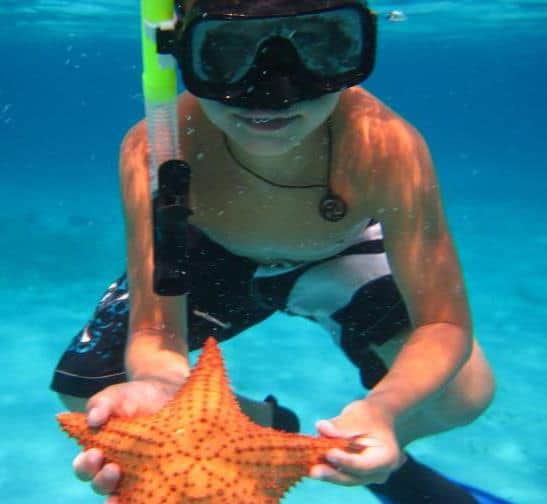
A bright blue reef looks calm from the boat, but a great day in the water starts well before the first fin hits the sea. Safe Cozumel reef snorkeling means choosing the right conditions, a professionally run boat, realistic reef sites for your ability, and enough time to return to port without a rush. For cruise guests with one valuable day ashore, those details matter as much as the coral, tropical fish, and clear Caribbean water.
Cozumel is known for remarkable reefs, but it is not a one-size-fits-all snorkeling destination. Some areas have boat traffic, wind exposure, deeper water, or current that can challenge first-time snorkelers. The right excursion turns that variety into an advantage by selecting sites based on the day’s weather, group experience, and comfort level.
Start With a Safe Cozumel Reef Snorkeling Tour
A good snorkeling day begins with the operator, not the price tag alone. Value matters, especially when you are comparing an independent excursion with a cruise-line option, but the lowest-cost boat is not automatically the best choice for families, nervous swimmers, or guests on a tight ship schedule.
Look for an excursion that uses experienced local crew members, provides properly sized mask, fins, and flotation equipment, and gives a clear pre-water briefing. That briefing should cover how to use the gear, where to enter and exit the water, what to do if you drift away from the group, and how the crew will keep track of snorkelers. A guide who gets in the water with the group adds another layer of confidence, particularly at a site with mild current.
Small-group formats are especially useful for cruise visitors. Guides can better notice when someone is struggling with a mask, getting tired, or feeling uneasy in open water. They can also adjust the pace so confident snorkelers get a rewarding reef experience without leaving beginners behind.
Before booking, be direct about your group. Mention young children, non-swimmers, older travelers, recent injuries, pregnancy, motion sensitivity, or anyone who has never used a snorkel mask. A professional operator would rather recommend the right trip than place a guest on a fast-moving reef drift that does not match their comfort level.
Conditions Change From One Reef to the Next
Cozumel’s west coast is generally more protected than the island’s windier eastern side, but sea conditions can change quickly. Wind direction, waves, visibility, current, and passing weather all influence which sites are appropriate. The best boat captains make route decisions on the morning of the excursion instead of treating every day like a fixed itinerary.
That flexibility is a safety feature, not a disappointment. A crew may move to a calmer location, shorten a swim, or cancel water activity when conditions are not suitable. Travelers sometimes focus only on the reef name they saw in a tour description. In practice, choosing a safer site with good visibility often creates a much better experience than forcing a visit to a famous reef in rough water.
Current deserves special attention. A gentle drift can be fun because it lets you float over the reef with less effort. A stronger current can separate slower swimmers from the group and tire out anyone who tries to swim against it. Your guide should tell you whether the plan is to drift with the current, stay close to a mooring line, or return to the boat at a designated pickup point.
Never assume you can outswim a current. If you feel yourself moving away from the group, stay calm, signal the guide or boat crew, and conserve energy. Inflating a snorkel vest or using another flotation device makes it easier for the crew to spot and assist you.
Know Your Comfort Level Before You Board
You do not need to be an elite swimmer to enjoy snorkeling, but you should be honest about what you can do in water. Being comfortable floating, putting your face in the water, and calmly breathing through a snorkel makes the experience far more enjoyable. If those things feel unfamiliar, choose a beginner-friendly trip with flotation support and protected conditions.
Practice is worthwhile. At the beach, hotel pool, or a shallow calm area, take a few minutes to adjust your mask and breathe through the snorkel before heading to a reef site. A mask that leaks constantly can turn a beautiful swim into a stressful one. Hair caught under the silicone skirt is a common cause of leaks, as is tightening the strap too much.
If you wear glasses, ask in advance whether prescription masks are available. Do not try to snorkel with regular eyeglasses under the mask. If you use contacts, keep your eyes closed if water enters your mask and bring spare lenses for afterward.
Parents should stay close to children even when a guide is in the water. A child may be a strong pool swimmer but feel differently with waves, a mask, fins, and a view of deeper water. For many families, a shorter guided snorkel with frequent check-ins is the smarter choice than a long open-water session.
Simple Habits That Protect You and the Reef
The reef is alive, fragile, and more enjoyable when everyone treats it with care. Keeping a respectful distance also keeps snorkelers safer. Coral can be sharp, sea life can sting when disturbed, and standing on a reef damages the very habitat visitors came to see.
Use these four habits throughout the excursion:
- Wear a rash guard or lightweight long-sleeve swim shirt for sun protection, especially during long boat rides and extended time in the water.
- Keep your fins and hands away from coral, even when you are trying to steady yourself for a photo.
- Watch marine life from a distance. Do not chase turtles, feed fish, touch rays, or reach into coral openings.
- Drink water before and after snorkeling, and skip heavy alcohol before getting on a boat or entering the sea.
A rash guard is often a better choice than relying on large amounts of sunscreen. If you do use sunscreen, apply it well before entering the water and follow your operator’s guidance on products permitted for the marine environment. A hat, sunglasses, and shade during boat travel help prevent the kind of sun fatigue that can make a second snorkel stop less fun.
Fins require awareness too. They are useful for moving efficiently, but wide kicks can damage coral or bump nearby snorkelers. Keep your legs relaxed, use slow kicks from the hips, and maintain room around you. When the reef is shallow, float horizontally rather than trying to stand up.
Make Your Excursion Work With Your Ship Schedule
A reef trip is only relaxing when your return plan is solid. Cruise travelers should select an excursion with meeting instructions that match their ship’s actual arrival and all-aboard times, not just the broad time window shown when they first booked their cruise. Ship itineraries can change, and local time should always be confirmed once you are onboard.
Build in a buffer for getting off the ship, walking or taking a taxi to the meeting point, boat boarding, and returning through the port area. The best choice is not always the longest snorkeling trip. A slightly shorter small-group outing may leave room for a relaxed return, a quick meal, and no anxious watch-checking on the ride back.
Independent excursions can be an excellent value when they are designed around port operations and supported by responsive agents. Cozumel Cruise Excursions helps travelers compare port-compatible activities and offers deposit refund protection if a ship cannot dock, which removes one major worry from booking ahead.
Bring a copy of your reservation details, the operator’s meeting directions, a charged phone in a waterproof pouch, and your ship information. If weather or operational changes affect your trip, communicate promptly with the excursion team rather than making assumptions at the pier.
When Snorkeling Is Not the Right Call
There is no prize for pushing through discomfort. If you are seasick, exhausted, anxious in deeper water, or dealing with an asthma flare-up or other medical concern, tell the crew before entering the water. Depending on the situation, you may be able to enjoy the boat ride, use flotation support, snorkel near the boat for a shorter time, or simply skip the water portion.
The same applies when weather shifts. Rain alone does not always ruin snorkeling, but lightning, high winds, rough seas, or poor visibility can change the plan. A responsible captain’s decision to delay, reroute, or cancel is exactly the judgment you want protecting your vacation day.
Choose the tour that fits the least confident person in your group, listen closely to the briefing, and give yourself more time than you think you need. That leaves room to look down, slow your breathing, and enjoy the flashes of blue tangs, parrotfish, and coral gardens without worrying about what comes next.