
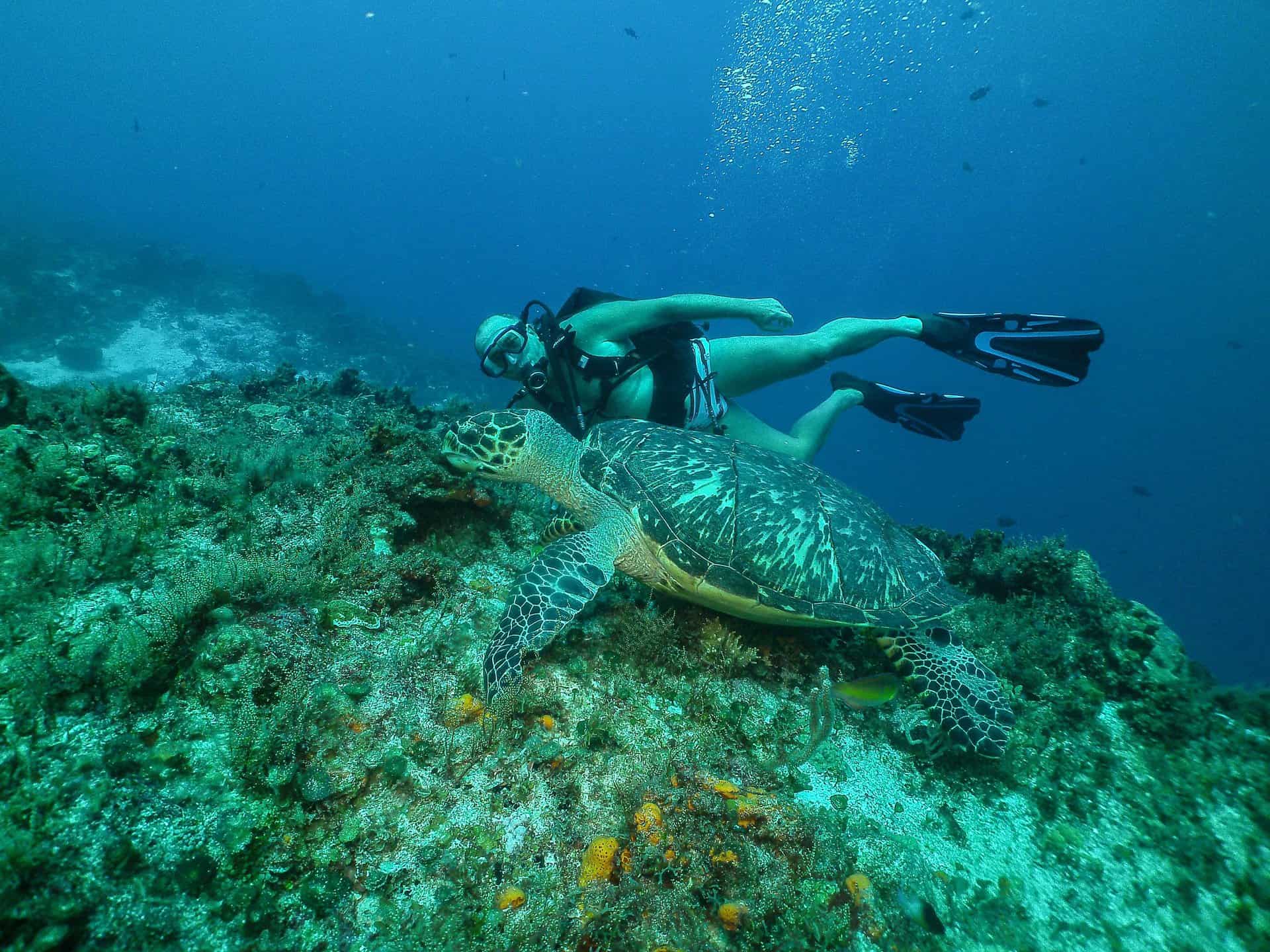
A morning wall dive in Cozumel can put you over bright coral, drifting schools of blue tangs, and visibility that makes the Caribbean feel almost unreal. But a great underwater day depends on more than choosing a pretty reef photo. This Cozumel diving guide helps cruise passengers and hotel guests select the right trip, understand what their time ashore allows, and book with confidence.
Why Cozumel Is Made for Divers
Cozumel sits beside the Mesoamerican Reef, one of the world’s great coral reef systems. Much of the island’s best-known diving is inside the protected Cozumel Reefs National Marine Park, where clear water, healthy coral formations, sea turtles, rays, nurse sharks, lobsters, and colorful tropical fish create a memorable experience for new and seasoned divers alike.
The signature here is drift diving. Rather than fighting the current, divers enter at one point and allow a gentle current to carry the group along the reef while the boat follows. It can feel effortless and exciting, especially when the water is calm and visibility is wide open. Conditions vary by day, though. Currents can be stronger on some sites, and weather may affect the exact reef selection or departure time.
That is why the right trip is not always the longest or deepest option. For many cruise visitors, a well-run two-tank trip on reefs that match their certification level is a better choice than an ambitious schedule that leaves no room for port-time changes.
Choose Your Cozumel Dive by Experience Level
First-time divers and uncertified guests
You do not need to be certified to experience Cozumel underwater. A beginner discovery scuba program typically starts with a briefing and basic skills practice in shallow water before heading out with an instructor. It is a smart choice for travelers who want more than snorkeling but are not ready to commit to a full certification course during vacation.
First-time diving is exciting, but it should not be rushed. Expect a shorter, instructor-led experience with close supervision, depth limits, and a focus on comfort. Guests with asthma, certain heart or lung conditions, recent surgery, or pregnancy should review the medical requirements before booking. When in doubt, talk with a physician and disclose relevant health information to the dive operator.
Open Water divers
Certified Open Water divers have excellent options in Cozumel. Many classic shallow-to-mid-depth reef sites deliver the coral gardens, fish life, and easy drifting that make the island so popular. These trips are often ideal for couples or families with a mix of certified divers and snorkelers, depending on the boat and operator.
Bring your certification card or digital proof, and be honest about how recently you have been in the water. If it has been several years since your last dive, a refresher or a private guide is money well spent. You will enjoy the day more when you are comfortable clearing your mask, managing buoyancy, and staying with the group.
Advanced and experienced divers
Divers with advanced training can look for deeper walls, swim-throughs, dramatic coral pinnacles, and sites where depth and current demand more experience. Popular advanced-style dives may include larger reef structures and drop-offs, but the day’s conditions always determine what is appropriate.
Ask whether a trip is designed specifically for advanced divers or combines varying experience levels. A mixed-level boat can still be enjoyable, but an experienced diver seeking deeper profiles may prefer a small group with a more targeted itinerary. Nitrox availability, maximum depths, guide-to-diver ratio, and surface intervals are all worthwhile questions.
Reef Areas Worth Asking About
Palancar is often associated with spectacular coral formations, tunnels, and abundant marine life. Santa Rosa Wall is known for impressive drop-offs and large sponges. Colombia Reef can offer broad coral scenery and relaxed drifting, while Paradise Reef is frequently favored for shallow water, training, night diving, and divers who want a gentler profile.
A Cruise Guest’s Cozumel Diving Guide to Timing
Cruise-port diving requires a plan. Your ship’s posted arrival time is not always the same as the time passengers are cleared to disembark, and getting from the pier to a marina or meeting point takes time. A good independent excursion should account for your ship schedule and provide clear instructions for where and when to meet.
Avoid booking a dive that ends uncomfortably close to all-aboard time. Boats can return late because of changing conditions, gear issues, or a diver needing extra attention. Leave a meaningful buffer for getting back to the cruise terminal, especially if your ship is in port for a shorter day.
Most two-tank excursions take a significant part of the day once check-in, gear fitting, boat travel, two dives, and surface time are included. A one-tank trip may be the better fit if your ship arrives late, departs early, or you want time for lunch and a walk through downtown San Miguel afterward.
Cozumel Cruise Excursions can help travelers compare port-compatible options, which matters when one ship arrives at 7:00 a.m. and another does not begin disembarkation until much later. Independent does not have to mean uncertain. Choose a provider with responsive booking support and a clear policy for cruise-related cancellations, including protection if your ship cannot dock.
What a Quality Dive Trip Should Include
Pricing alone does not tell the whole story. A lower advertised rate may not include equipment, marine park fees, transportation, or a second tank. Before you book, confirm the full cost and what you need to bring.
A professional Cozumel diving trip commonly includes tanks, weights, an experienced dive guide, boat crew support, drinking water, and the required safety equipment. Rental gear may be included or available for an additional fee. If you own a properly maintained mask, it is often worth bringing because familiar gear makes a difference underwater.
Ask about transportation from the cruise area or hotel, the size of the group, and whether snorkelers can join. Small boats and smaller groups usually mean more personal attention and a less crowded experience, though they may cost more than a large-boat operation. For many visitors, that trade-off is worth it, particularly if diving is the main reason they chose Cozumel.
Pack Smart and Follow the Right Safety Rules
Bring a swimsuit, towel, reef-safe sun protection for before and after the dive, a dry change of clothes, your certification credentials, and any required medical forms. Do not apply sunscreen immediately before entering the water if it can wash off the skin. Cover-ups, hats, and shade on the boat are often the better approach.
Give yourself enough time after diving before flying. The exact recommendation depends on the number and type of dives, but divers should never schedule a dive excursion on the same day as a flight home. Cruise guests are generally not flying out from the island that afternoon, but hotel guests moving on to another destination should plan carefully.
Underwater, protect the reef by maintaining good buoyancy, keeping fins away from coral, and never touching turtles, rays, or other marine life. Coral is alive, fragile, and slow-growing. The most impressive souvenir is leaving the reef exactly as beautiful for the next group.
Make the Day Feel Like Vacation, Not Logistics
The most enjoyable Cozumel dive days have one thing in common: the details are handled before the boat leaves the dock. Book a trip that fits your actual port hours, tell the operator your certification and recent dive history, and choose the pace that feels right for your group. Then let the current carry you past the reef, look up into that bright blue water, and enjoy the reason divers return to Cozumel again and again.